

Blog
7 Common Electrical Problems and How to Fix Them
Updated on Sep 2026
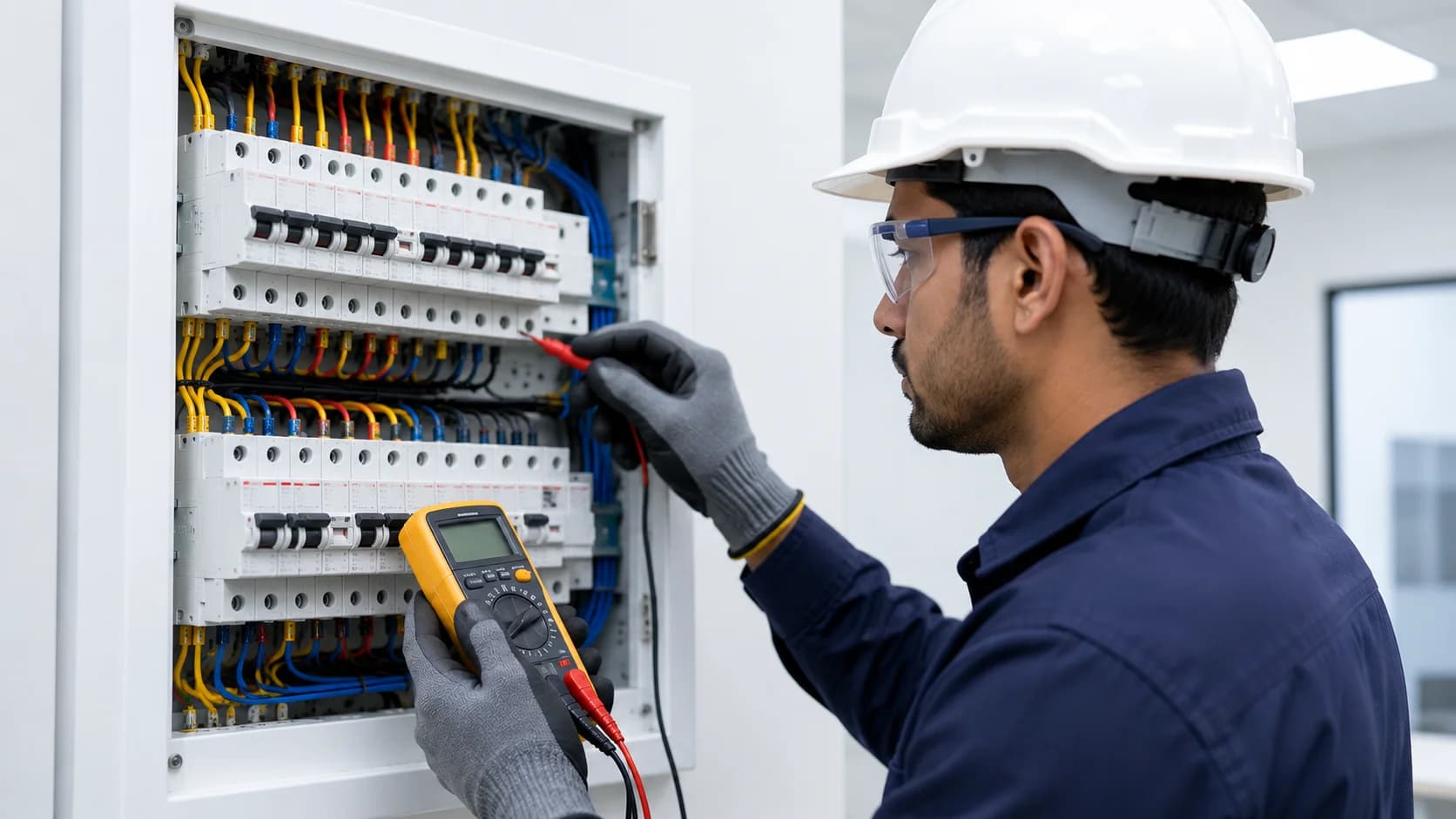
Have you ever dealt with flickering lights, a circuit breaker that keeps tripping, or a sudden surge in your electricity bill?
Higher the chances that you have electrical problems in your house or commercial space. When you ignore what may look like small and common electrical issues in homes and workplaces, it may lead to bigger safety concerns.
The good part is—knowing how to fix an electric issue safely and understanding these electrical problems and solutions can help prevent accidents, reduce energy costs, and keep your home running smoothly.
In this guide, we will walk you through 7 of the most common electrical problems, their causes, and practical fixes. We will also share electrical safety tips and maintenance advice so that prevent such issues in the future!
So let's get started without any further delays!
Top 7 Electrical Problems People Face (And How to Solve Them)
Find out what are some of the most common electrical issues people face and you can fix them with actionable steps.
Electrical Issue 1 - Flickering or Dimming Lights
Flickering or dimming lights are some of the most common signs that indicate you have some electrical issue at your place.
Why Does This Happen?
- Loose wiring or faulty connections.
- Overloaded circuits that result in voltage drops.
- A failing light bulb or fixture.
How to Fix It?
✔ Check if the issue is with the bulb and replace it. This should resolve the problem.✔ If multiple lights are flickering, there could be loose wiring, turn off the power and tighten connections.✔ If flickering occurs when using large appliances, the circuit might be overloaded - spread out the load or upgrade your electrical panel.
Electrical Issue 2- Tripping Circuit Breakers
If you are seeing frequent tripping of circuit breakers, it's another sign that you need to look at the safety of your space.
Why Does This Happen?
- Too many appliances running on the same circuit.
- A short circuit or ground fault.
- A faulty breaker that needs replacement.
How to Fix It?
✔ Identify the overloaded circuit, unplug some appliances, and reset the breaker.✔ If the breaker keeps tripping, check for a burning smell or sparks as this could indicate a short circuit.✔ If the problem still persists, it's best to call an electrician to inspect the wiring and replace the breaker if needed.
Electrical Issue 3 - Frequent Power Surges
Other than dimming lights and tripping MCBs, frequent power surges are also a clear sign of electrical problems.
Why Does This Happen?
- Lightning strikes or sudden changes in voltage.
- Faulty or cheap power strips.
- Old or damaged wiring.
How to Fix It?
✔ Invest in high-quality power surge protection devices to safeguard your electronics.✔ Avoid using cheap extension cords instead opt for high-quality surge protectors.✔ If surges happen frequently, get an electrician to inspect and upgrade your wiring.
Electrical Issue 4 - Overloaded Electrical Circuits
Moving forward, having overloaded electrical circuits shows that there could be underlying issues with your electrical system.
Why Does This Happen?
- Plugging too many appliances into a single outlet or extension cord.
- Outdated wiring that can't handle modern electrical loads.
How to Fix It?
✔ Avoid plugging multiple high-power appliances into the same outlet.✔ Distribute power usage across different circuits.✔ If your home has old wiring, consider an electrical panel upgrade.
Electrical Issue 5 - Short Circuits & Electrical Shocks
Short circuits and electrical shocks are serious safety hazards that require immediate attention.
Why Does This Happen?
- Exposed or frayed wires.
- Faulty electrical outlets.
- A damaged or malfunctioning appliance.
How to Fix It?
✔ If you experience a shock when plugging in an appliance, stop using it immediately and have it checked.✔ Inspect outlets for burn marks or loose wiring, and replace damaged outlets right away.✔ Install Ground Fault Circuit Interrupters (GFCIs) in moisture-prone areas like bathrooms and kitchens.
Electrical Issue 6 - Dead Outlets or Switches
Next are dead outlets and switches. They happen when there are some faults in your current electrical setup.
Why Does This Happen?
- A tripped circuit breaker that cut off power.
- Loose or damaged wiring inside the outlet.
- A faulty switch or socket.
How to Fix It?
✔ Check your circuit breaker, and reset it if necessary.✔ Remove the outlet cover (after turning off the power) and inspect for loose wires.✔ If the wiring looks damaged, replace the outlet or call an electrician.
Electrical Issue 7- High Electricity Bills
Lastly, if you have been seeing high electrical bills lately, you may have some problems with your electrical system.
Why Does This Happen?
- Inefficient or outdated appliances.
- Phantom power drain from devices left plugged in.
- Faulty wiring causing energy loss.
How to Fix It?
✔ Upgrade to energy-efficient appliances and LED lighting.✔ Unplug devices when not in use or use smart power strips.✔ Schedule an electrical inspection to detect hidden issues.
Electrical Safety Tips to Prevent Future Problems
Once you have fixed your electrical issues, it's always recommended to follow these electrical maintenance tips for a safe home.
- Never Ignore Warning Signs - If you hear buzzing sounds, smell burning, or see sparks, turn off the power immediately.
- Use Power Surge Protection - Install power surge protectors to safeguard appliances.
- Avoid Overloading Circuits - Know your home's electrical load capacity and distribute usage wisely.
- Inspect Wiring Regularly - Check for frayed wires or loose connections to prevent hazards.
- Hire Certified Electricians - DIY fixes can be risky; always call an expert for complex issues.
- Upgrade Outdated Electrical Panels - If your home is old, consider a modern circuit breaker panel.
- Test GFCI Outlets Monthly - These prevent shocks so it's better you test them frequently.
- Use the Right Extension Cords & Surge Protectors - Avoid overloading power strips.
Why Gold Coast Electricals Is Your Trusted Partner for Electrical Solutions?
Gold Coast Electricals offers premium solutions to keep your home safe and efficient. Here's why we are a preferred choice:
✔ High-quality circuit breakers and surge protectors to prevent electrical damage.✔ Reliable and certified wiring solutions for homes and businesses.✔ Trusted by electricians, homeowners, and businesses across India.✔ Commitment to safety, efficiency, and innovation in electrical products.
Fix Your Space's Electrical Problems with Reliable Gold Coast Electrical Products
Electrical problems are common, but knowing how to identify and fix them can help you maintain a safe and efficient home.
By following the electrical troubleshooting guide, implementing electrical safety tips, and ensuring regular maintenance, you can prevent major issues before they occur.
Need high-quality electrical solutions? Browse our products today and keep your home safe with Gold Coast Electricals!
Match the fault to the right protection: explore MCBs for overload and short circuits, RCCBs for earth leakage and shock protection, and flame-retardant wires and cables. If a fault involves live wiring, repeated tripping, heat, sparks or burning smells, stop using the circuit and call a qualified electrician.
Need Help Solving Electrical Problems?
Get instant expert assistance via WhatsApp
Related Electrical Safety Guides
Frequently Asked Questions
How do I know if an electrical issue is a DIY fix or requires a professional?
Simple tasks like replacing a light bulb or applying insulation tape on external non-live joints are DIY friendly if safety precautions are met. However, anything involving opening the Distribution Board, installing MCBs/RCCBs, tracing hidden short circuits, or replacing main cabling MUST be handled by a licensed electrician.
What makes a circuit breaker trip frequently?
A breaker trips when the current flowing through it exceeds its rated capacity (overload) or when a hot wire touches a neutral wire (short circuit). If it trips immediately after resetting, unplug all appliances on that circuit. If it still trips, there is a short circuit in the wiring or the breaker itself is faulty.
Why should I install an RCCB instead of just MCBs?
An MCB protects your appliances and wiring from high currents (overload and short-circuits). It does not protect humans from low-current electric shocks. An RCCB is specifically designed to detect tiny current leakages (earth leakages) and trips in milliseconds, protecting lives from electrocution and preventing electrical fires.
Why do modular switch contacts wear out?
Standard switches use basic copper contacts that arc (create tiny sparks) every time you turn them on/off. Over time, this arcing carbonizes the contacts, leading to high resistance, heat build-up, and failure. Gold Coast modular switches use silver-alloy contacts that resist arcing and last for over 100,000 clicks.
Recommended next steps
Plan a safer electrical system
Use the guide above to plan the installation, then compare the relevant products for your project.
MCB Circuit Protection
Find breakers designed to interrupt overload and short-circuit faults safely.
Explore products →RCCB Shock Protection
Protect people and property by detecting dangerous earth-leakage current.
Explore products →Wires & Cables
Explore flame-retardant wiring for safer residential and commercial installations.
Explore products →Need Help Choosing the Right Electrical Products?
Get instant expert guidance via WhatsApp
You May Also Like
Modern Modular Switches for a Modern Lifestyle - A Complete Guide
Discover how modern modular switches combine style, safety and smart automation. A complete guide to features, benefits and choosing the best switches for your home.
Read More →
The Ultimate MCB Buying Guide to Help You Make the Right Choice
A complete MCB buying guide: understand miniature circuit breakers, their types, ratings and the key factors to choose the right MCB to protect your home wiring.
Read More →Standard Switch Board Heights in Indian Homes: Complete Installation Guide
See standard switchboard heights from the floor in feet and metres for bedrooms, kitchens, bathrooms, ACs, geysers and other points in Indian homes.
Read More →