However, like any electrical component, switches do not last forever. Over time, wear and tear, electrical load, and environmental conditions can affect their performance. Ignoring early warning signs can lead to inconvenience, appliance damage, or even electrical hazards.
Understanding when your electrical switches need replacement can help you maintain a safe and efficient electrical system in your home. In this guide, we’ll look at the most common signs that indicate it’s time to replace your switches and why addressing these issues early is important.
Why Electrical Switches Wear Out Over Time
Electrical switches are designed to last for many years, but constant use gradually affects their internal components. Each time a switch is turned on or off, internal contacts connect and disconnect the electrical current. After thousands of operations, these contacts can wear down.
Other factors that contribute to switch deterioration include:
- High electrical load from appliances
- Poor wiring or loose connections
- Dust and moisture buildup
- Low-quality materials
- Heat generated during operation
Because switches are embedded in walls and used so often, small problems can go unnoticed until they become bigger issues.
7 Signs Your Electrical Switches Need Replacement
Recognizing early warning signs can help prevent electrical problems and keep your home safe.
1. Loose or Wobbly Switches
One of the most obvious signs of a failing switch is looseness. If a switch moves when you press it or feels unstable inside the switchboard, it may indicate that the internal mechanism or mounting has weakened.
Loose switches can lead to poor electrical contact, which may result in:
- Flickering lights
- Intermittent power
- Increased wear on internal parts
If tightening the plate doesn’t fix the issue, replacing the switch is usually the safest option.
2. Sparks When Switching On or Off
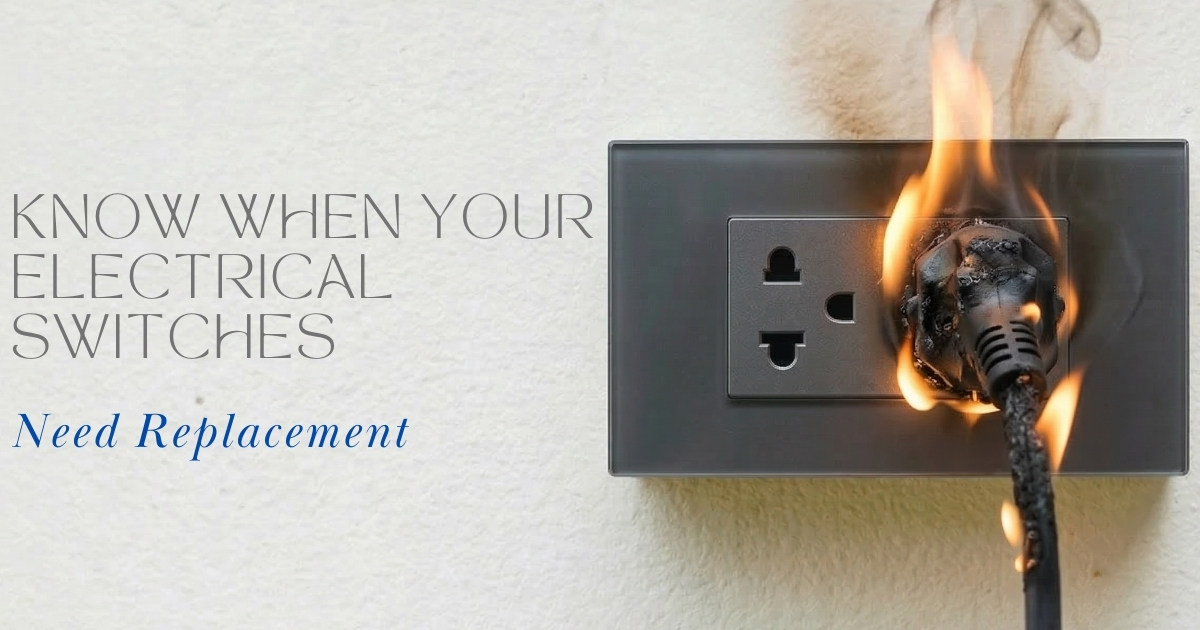
A small spark occasionally occurring inside a switch can happen due to electrical current flow. However, visible sparks or crackling sounds are not normal and should not be ignored.
Frequent sparking may indicate:
- Worn-out internal contacts
- Overloaded circuits
- Poor wiring connections
If you notice sparks regularly when operating a switch, it’s best to stop using it and have it inspected or replaced immediately.
3. Switch Feels Warm or Hot
Electrical switches should never feel hot to the touch. While a slight warmth may occur when heavy appliances are used, excessive heat is a warning sign.
Possible causes include:
- Overloaded circuits
- Loose wiring behind the switch
- Low-quality switch materials
- Internal component failure
A warm switch can eventually lead to melting or electrical hazards, so it should be replaced without delay.
4. Flickering or Unstable Lighting
If lights flicker when you operate a switch or fail to turn on consistently, the problem may lie with the switch itself.
This can happen when internal contacts inside the switch become worn or damaged. As a result, the electrical connection becomes unstable.
Although flickering lights can sometimes be caused by bulbs or wiring, a faulty switch is often the culprit when the issue occurs specifically while operating it.
5. Cracked or Damaged Switch Plates
The outer plate of a switch not only provides aesthetics but also protects the internal electrical components.
Cracks, discoloration, or burn marks on the switch plate may indicate:
- Heat damage
- Electrical arcing
- Material deterioration over time
Damaged plates should be replaced promptly to maintain safety and prevent exposure to internal wiring.
6. Delayed or Unresponsive Operation
A switch should respond instantly when pressed. If you notice a delay between pressing the switch and the appliance turning on, the internal mechanism may be failing.
This can happen when internal contacts are worn out or misaligned due to long-term use.
An unresponsive switch can become unreliable and may eventually stop working completely, making replacement necessary.
7. Frequent Electrical Issues in the Same Switchboard
If you repeatedly experience electrical problems in the same switchboard, such as:
- Lights turning off unexpectedly
- Appliances not receiving consistent power
- Multiple switches failing within a short period
Upgrading the entire switchboard with modern modular switches can often solve these issues and improve overall reliability.
How Long Do Electrical Switches Typically Last?
The lifespan of electrical switches depends on several factors, including quality, usage frequency, and installation conditions.
In general:
- High-quality switches can last 10 to 15 years or more
- Lower-quality switches may start showing issues earlier
Regular inspection and timely replacement help maintain safe electrical operation.
Why Ignoring Faulty Switches Can Be Risky
Many people continue using switches even after noticing problems because the switch still “works.” However, ignoring warning signs can lead to more serious issues.
Faulty switches may cause:
- Electrical shocks
- Appliance damage
- Power fluctuations
- Short circuits
- Increased fire risk in extreme cases
Replacing a worn-out switch is a simple and cost-effective way to avoid these potential hazards.
When Should You Replace Multiple Switches at Once?
Sometimes replacing a single switch is enough, but in other situations it may be better to upgrade multiple switches together.
You may consider replacing several switches if:
- Your home uses old conventional switches
- Multiple switches show signs of wear
- You are renovating or upgrading interiors
- Your switchboards are outdated
Modern modular switches provide better durability, easier maintenance, and a cleaner appearance.
The Benefits of Upgrading to Modern Modular Switches
Many homeowners today prefer modular switches when replacing older ones.
Key advantages include:
- Easy replacement of individual modules
- Sleeker and modern design
- Improved safety features
- Better compatibility with modern appliances
Upgrading your switches during replacement can improve both safety and convenience.
Installation and Safety Considerations
Electrical switch replacement should always be handled carefully. Even though switches may appear simple, they are connected directly to your electrical system.
For safe replacement:
- Always switch off the main power supply
- Use a trained electrician for installation
- Ensure proper earthing and wiring connections
- Avoid using low-quality replacement products
Professional installation ensures long-term reliability and prevents hidden electrical issues.
Choosing Reliable Electrical Switches
When replacing switches, it’s important to select products that prioritize safety and durability.
Look for switches that:
- Meet recognized electrical safety standards
- Use fire-retardant materials
- Offer smooth and stable operation
- Are designed for long-term use
Choosing high-quality switches reduces the need for frequent replacements and improves the safety of your electrical system.
Need Help Choosing the Right Electrical Switches?
Get instant expert guidance via WhatsApp
You May Also Like